Integration of Biometric Authentication Methods in Streamlining Account Access for Live Casino Sessions on Handheld Devices
Gisela Wolf · Aug 18, 2026
Integration of Biometric Authentication Methods in Streamlining Account Access for Live Casino Sessions on Handheld Devices
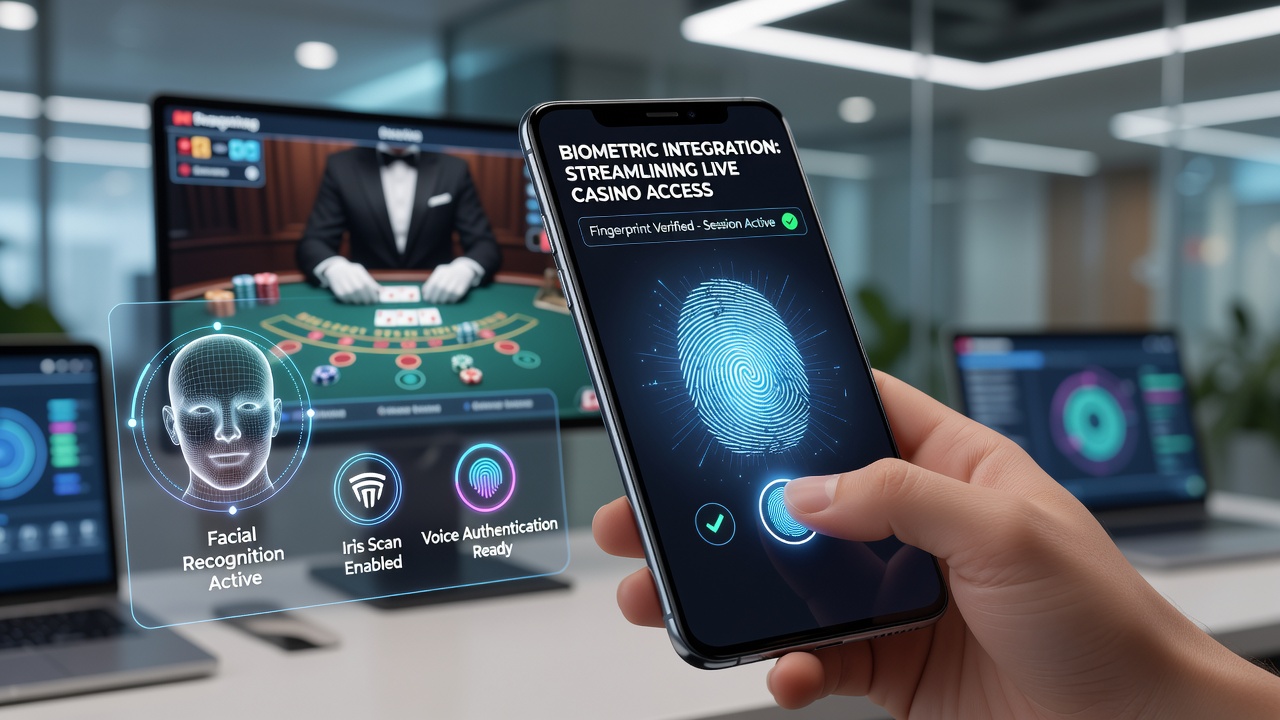
Biometric authentication methods have become central to mobile gaming platforms that host live casino sessions, allowing users to verify identity through fingerprints, facial recognition, or voice patterns instead of traditional passwords and two-factor codes, while data released in August 2026 from industry monitoring groups shows adoption rates climbing across handheld device ecosystems. Operators integrate these systems directly into apps so that players can move from launch to live dealer tables with fewer steps, and studies from university research teams indicate that session start times drop by measurable margins when biometrics replace manual entry sequences. Handheld devices equipped with advanced sensors now support these verifications at the hardware level, which means the same phone used for everyday tasks handles casino account access without additional hardware attachments.
Core Biometric Technologies Deployed in Mobile Casino Apps
Fingerprint scanning remains the most widespread option because many consumer smartphones already include capacitive or ultrasonic readers that capture ridge patterns in under a second, and developers link these reads to encrypted account tokens stored on the device itself rather than transmitting raw data each time. Facial recognition systems use infrared cameras and depth sensors to create 3D maps that resist simple photo spoofs, while voice authentication captures unique vocal tract signatures during short passphrase repeats. Observers note that platforms combine multiple modalities in some cases so that a failed fingerprint attempt can fall back to facial scan without interrupting the flow into live baccarat or roulette streams.
Security Protocols and Data Handling Practices
Encryption standards applied to biometric templates follow patterns established by device manufacturers, which store mathematical representations rather than full images or recordings on local secure enclaves, and this approach limits exposure if a device is compromised. Regulatory filings reviewed by analysts reveal that operators must comply with data minimization rules that delete temporary biometric buffers after each successful session, while periodic audits check whether template matching occurs entirely on-device or involves cloud verification steps. Those who've examined breach reports find that biometric systems reduce certain categories of credential theft compared with password-only logins, although the same reports emphasize that no single method eliminates all risk vectors.
Impact on Live Dealer Session Flow on Handheld Devices
Live casino sessions require continuous account validation because table limits and bonus eligibility often tie to verified player status, and biometric checks allow re-authentication during mid-session balance updates without forcing players to exit the video feed. Research indicates that handheld users who enable biometrics complete these micro-verifications in roughly one to two seconds, which keeps the connection to real-time dealer interactions intact and avoids the delays associated with entering codes sent via SMS. Device orientation sensors work alongside biometrics in some implementations so that a quick glance at the screen can confirm identity while the player remains seated at a table or in transit.
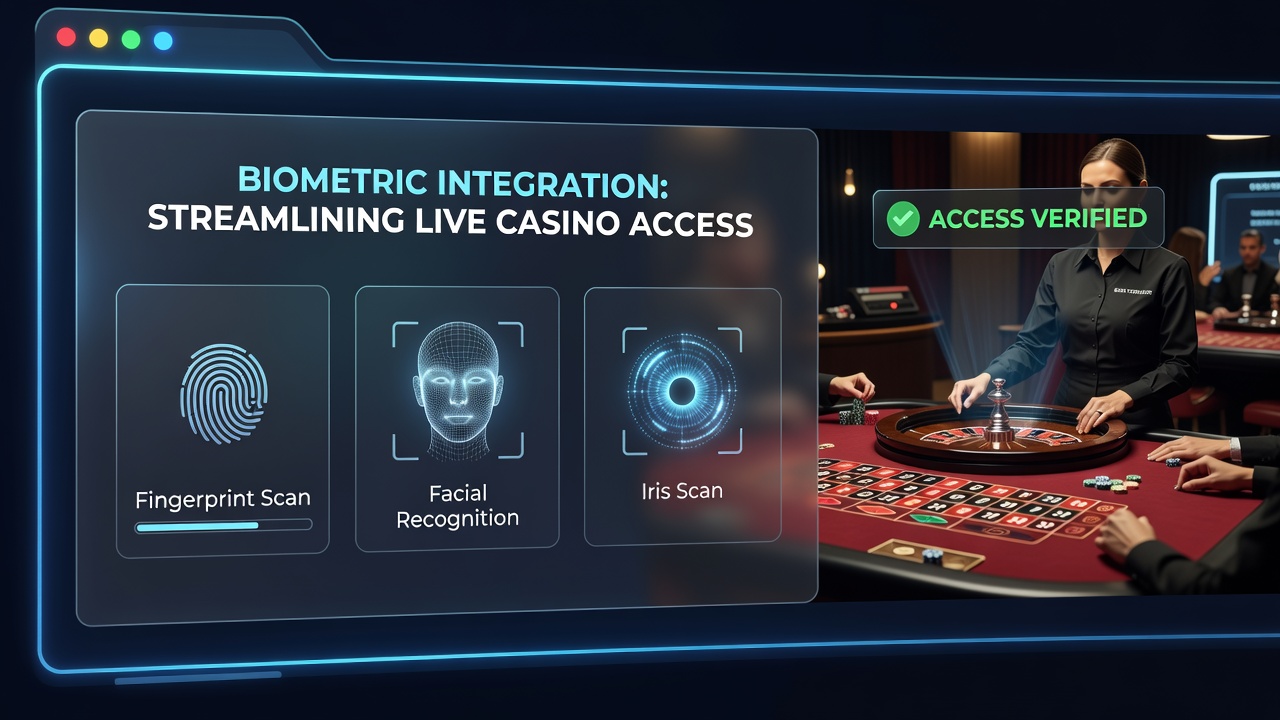
Platform analytics shared by operators demonstrate that session duration metrics rise modestly when friction at login and re-entry points declines, and this pattern holds across both iOS and Android environments where native biometric APIs integrate cleanly with custom casino software. Those monitoring cross-device synchronization note that a player who starts a session on one phone can resume on a tablet after the system re-verifies the biometric template against the same account profile.
Regulatory and Industry Standards Emerging in 2026
Government agencies in multiple jurisdictions have updated guidance on biometric data use within gambling applications, with the Pennsylvania Gaming Control Board issuing clarification documents that require explicit user consent screens before any template enrollment begins. Industry associations such as the American Gaming Association have compiled best-practice frameworks that address template storage duration and third-party vendor oversight, while academic papers from institutions studying human-computer interaction examine user acceptance rates across age groups and device types. Figures released in August 2026 indicate that jurisdictions permitting live dealer streams on mobile now require operators to provide opt-out paths to traditional authentication for players who decline biometric enrollment.
Technical Integration Challenges and Solutions
Developers face variability in sensor quality across budget and flagship handheld models, which can produce inconsistent match rates if algorithms are not calibrated for lower-resolution readers, yet machine learning updates pushed through app stores have narrowed these gaps according to internal testing summaries. Battery consumption during frequent facial scans receives attention from optimization teams that batch processing tasks and leverage dedicated neural engines, and this keeps the impact on overall device performance within acceptable ranges during extended live sessions. Network latency between the device and game servers remains a separate factor, but biometric validation happens locally in most designs so that connectivity issues do not block the initial account unlock step.
Adoption Patterns Across Player Demographics
Usage statistics compiled by platform providers show higher biometric activation among users aged 25 to 44 who already rely on the same features for banking and device unlock, whereas older cohorts sometimes retain password fallbacks at higher rates. Geographic data reveals faster rollout in markets where mobile gaming regulations explicitly reference biometric standards, and this alignment reduces compliance review cycles for operators expanding their live dealer offerings. Case examples from multi-state platforms illustrate that players who activate biometrics maintain higher return rates to live tables because the reduced login friction supports shorter, more frequent sessions.
Conclusion
The integration of biometric authentication into handheld live casino applications continues to evolve through hardware improvements, regulatory refinements, and software optimizations that prioritize both speed and template security. Data from August 2026 and ongoing research highlight measurable reductions in access friction alongside the need for continued attention to consent mechanisms and cross-device consistency. As sensor capabilities advance and standards mature, the technical foundation for these methods supports broader deployment across additional jurisdictions and device categories.