Mapping Transaction Pathways Between Electronic Wallets and Virtual Dealer Sessions Across Varied Regulatory Zones
Greta Berger · Oct 26, 2026
Mapping Transaction Pathways Between Electronic Wallets and Virtual Dealer Sessions Across Varied Regulatory Zones
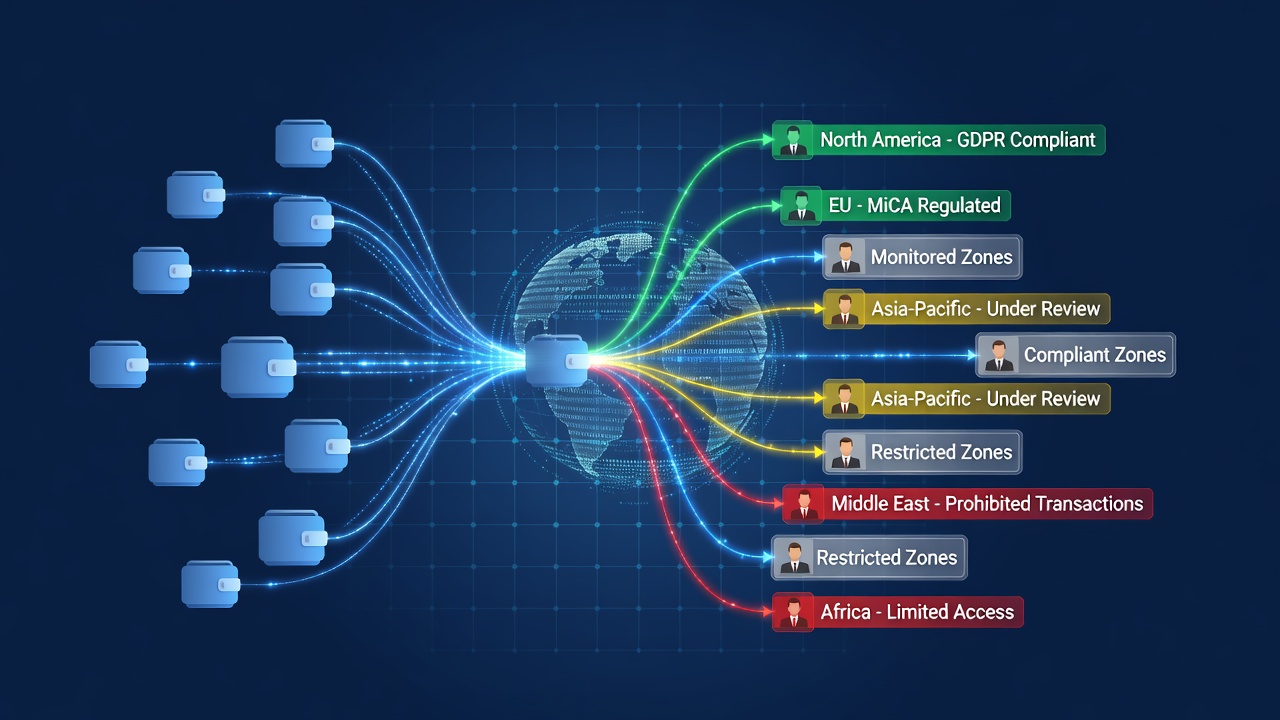
Electronic wallet transactions linked to virtual dealer sessions follow distinct routes that shift according to rules set by different regulatory bodies, and these pathways have drawn increased attention as platforms expand operations into new markets by October 2026. Payment flows typically begin when a user initiates a deposit through an e-wallet provider, then pass through identity checks and compliance filters before reaching the live dealer interface where bets are placed on table games.
Core Components of Transaction Pathways
Researchers have documented how funds move from digital wallets into virtual dealer environments through layered verification steps that include real-time balance confirmation, anti-money laundering screenings, and session-specific logging. Data from the Alcohol and Gaming Commission of Ontario indicates that these sequences often complete within seconds when operators align wallet APIs directly with game servers, yet delays occur in zones that require additional jurisdictional approvals before a session can begin.
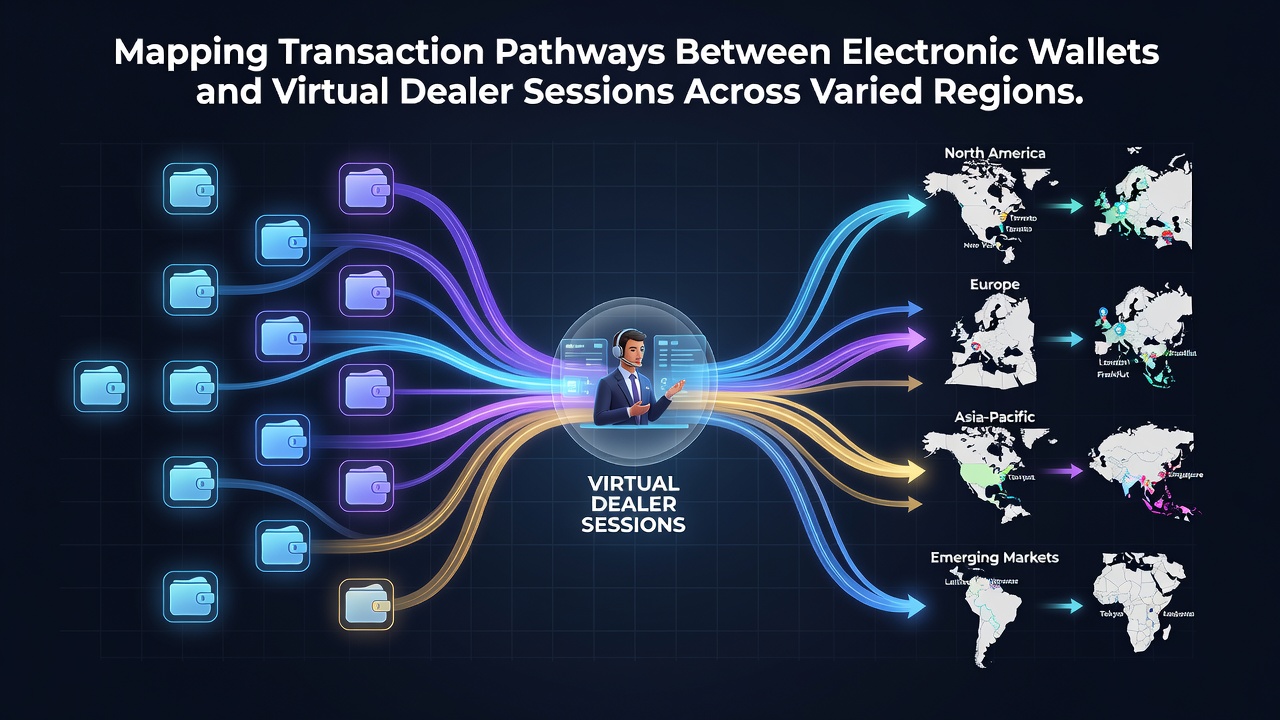
Virtual dealer sessions demand continuous synchronization between wallet balances and game states because live tables update odds and payouts in real time, which means any interruption in the transaction chain can freeze a player's ability to place bets mid-round. Observers note that operators in multi-jurisdiction setups use automated mapping tools to track each transfer stage, from initial authorization to final settlement after a hand concludes.
Regional Regulatory Influences on Flow Patterns
Regulatory zones impose unique constraints that reshape how pathways operate. In certain European markets, for instance, strict separation rules require wallet providers to route funds through licensed intermediaries before they reach virtual dealer platforms, and this adds extra verification nodes to the chain. Platforms operating across US state lines must adjust their mapping protocols to match each state's reporting timelines, resulting in varied settlement speeds even when the same wallet technology is in use.
One study of cross-border operations revealed that Asian regulatory frameworks often emphasize source-of-funds declarations at the wallet-to-session handover point, which forces operators to insert manual review pauses that do not appear in North American configurations. These differences create distinct timeline signatures that analysts can trace when examining payout records from live dealer tables.
Technical Synchronization and Logging Practices
Operators rely on timestamped event logs to map every movement between electronic wallets and virtual dealer sessions, capturing the moment a deposit clears, the instant a bet registers at the table, and the final credit back to the wallet after a session ends. These logs help satisfy audit requirements while revealing patterns such as peak-hour congestion in high-volume regulatory zones. Experts have observed that platforms using blockchain-based wallets sometimes achieve faster mapping because each transfer carries an immutable record that aligns directly with dealer session timestamps.
Geolocation data often integrates into the pathway at the wallet stage to confirm a user sits within an approved jurisdiction before the virtual dealer connection activates. This step prevents cross-zone leakage and allows regulators to verify that session activity stays confined to permitted areas. Figures from the New Jersey Division of Gaming Enforcement show that geolocation-triggered holds account for a measurable portion of transaction delays in that market, particularly during mobile sessions where signal fluctuations occur.
Settlement Timelines Across Jurisdictions
Settlement speed varies sharply once a virtual dealer session concludes. Some regulatory environments mandate instant wallet credits for winnings under a set threshold, whereas others require batch processing that can stretch into the next business day. Observers tracking these differences note that operators maintain separate reconciliation engines for each zone to keep pathways compliant without slowing core gameplay.
Case examples from multi-state platforms illustrate how a single wallet deposit can split into parallel streams when a player accesses dealer sessions in more than one licensed area, and each stream follows its own regulatory checklist before merging back into unified account records. This branching approach demands precise mapping software that tags every segment with its originating jurisdiction code.
Conclusion
Transaction pathway mapping between electronic wallets and virtual dealer sessions continues to adapt as regulatory zones refine their oversight methods. The variations in verification steps, logging requirements, and settlement rules create a complex but traceable network that operators must navigate to maintain seamless live dealer experiences across borders. Data collected through October 2026 shows that alignment between wallet providers and game platforms remains central to efficient, compliant operations in every region examined.