Tracing Biometric Verification Protocols and Their Role in Unlocking Tiered Incentives Across Portable Athletic Platforms
Sam Neumann · Aug 15, 2026
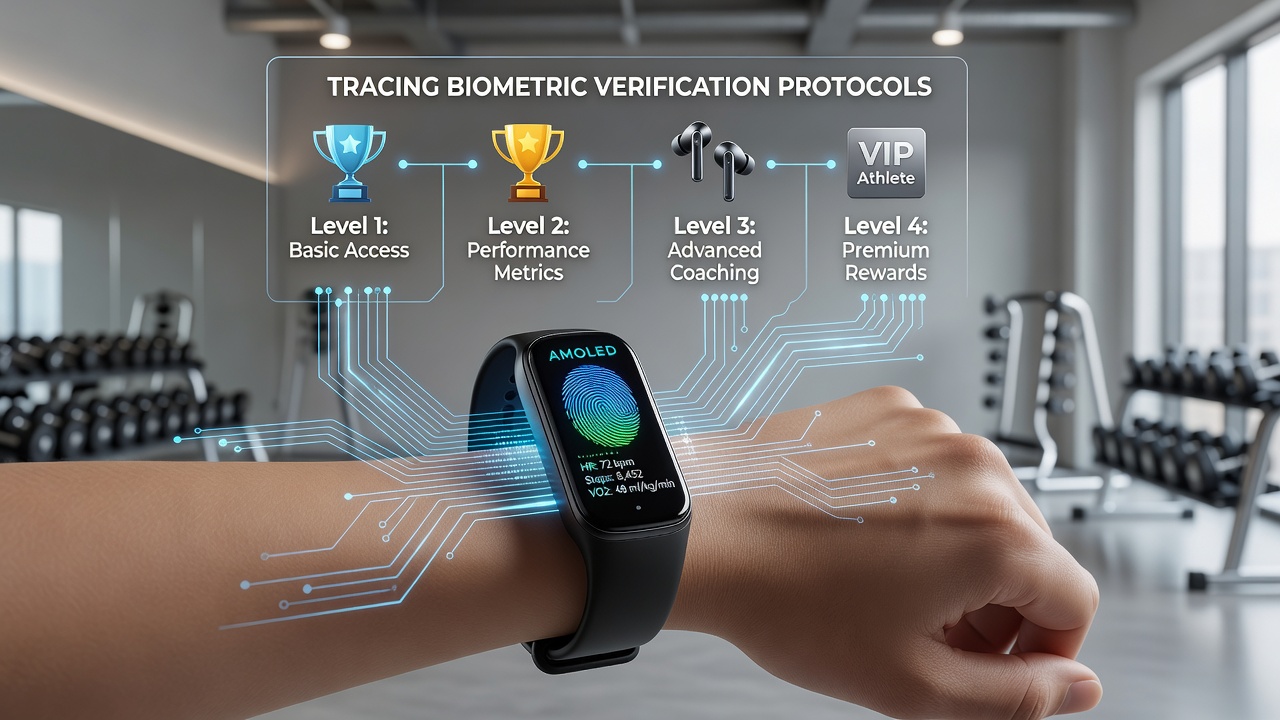
Tracing Biometric Verification Protocols and Their Role in Unlocking Tiered Incentives Across Portable Athletic Platforms
Biometric verification protocols have expanded across portable athletic platforms in recent years, with developers integrating fingerprint scanning, facial recognition, and heart rate pattern analysis to confirm user identity before releasing tiered rewards. These systems operate through mobile applications and connected wearables that track activity metrics while requiring periodic identity checks to prevent account sharing and ensure accurate distribution of incentives such as premium features, equipment discounts, and performance-based badges.
Core Components of Biometric Protocols in Athletic Apps
Portable athletic platforms combine multiple data streams to create verification layers, and researchers note that fingerprint sensors paired with device accelerometers provide initial access while continuous heart rate monitoring from optical sensors maintains session validity throughout extended workouts. Facial recognition features, often tied to front-facing cameras on smartphones, activate during reward redemption phases to match live images against stored templates, a process that data from device manufacturers shows reduces unauthorized logins by measurable margins in controlled tests.
Integration with Tiered Incentive Structures
Tiered incentive models rely on verified participation data to unlock successive levels, and observers point out that platforms adjust reward thresholds based on cumulative verified activity rather than self-reported logs alone. For instance, reaching intermediate tiers might grant access to customized training plans after a set number of authenticated runs or lifts, while top tiers release exclusive merchandise offers or event entries once biometric logs confirm consistent engagement over months. Studies conducted by health technology firms indicate that these gated systems correlate with higher retention rates because users receive tangible returns only after protocols confirm their identities and activity patterns.
Developers implement fallback mechanisms such as PIN entry or email codes when primary biometric checks fail due to environmental factors like poor lighting or skin conditions, and this layered approach maintains platform security without halting user progress entirely. In August 2026 regulatory updates from bodies like the Australian Competition and Consumer Commission highlighted compliance requirements for data handling in these systems, emphasizing consent protocols for storing biometric templates across international user bases.
Technical Tracing Methods and Data Flow
Tracing biometric data flows begins at the sensor level where raw signals convert into encrypted templates stored locally on devices or in cloud servers with end-to-end protection. Application programming interfaces then link these templates to activity databases, allowing algorithms to cross-reference identity confirmation with performance metrics before processing incentive claims. One industry report from the International Health, Racquet & Sportsclub Association details how such integrations occur in real time, with verification events logged at intervals ranging from every fifteen minutes during active sessions to daily summaries for passive tracking modes.
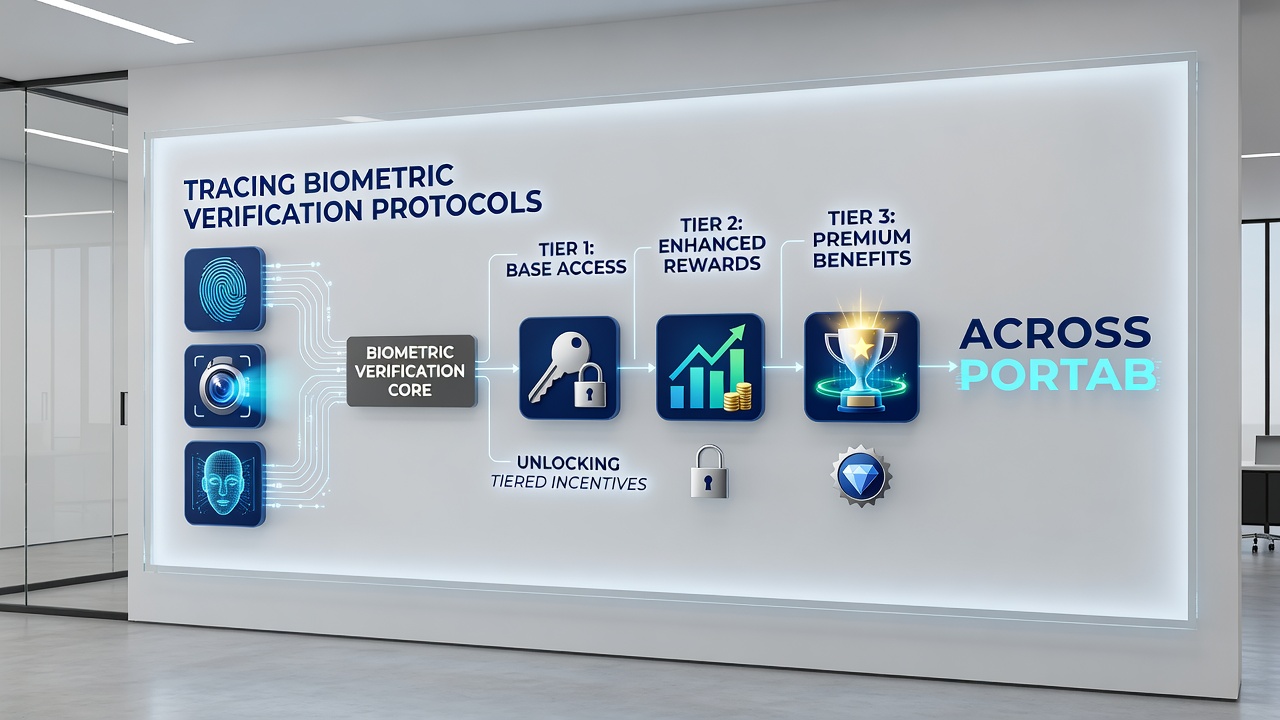
Security audits conducted by independent labs reveal that platforms employing multi-factor biometric combinations experience fewer instances of synthetic identity fraud compared to those relying solely on device IDs. Those who've examined platform architectures find that edge computing techniques process initial matches on the device itself, reducing latency and limiting transmission of sensitive data over networks. This method supports seamless transitions between workout modes while preserving the integrity of tier progression records.
Regional Adoption Patterns and Regulatory Influences
Adoption varies by region, with North American platforms incorporating biometric options more rapidly due to widespread smartphone sensor availability, whereas European deployments often align with stricter data minimization rules under frameworks like the General Data Protection Regulation. Canadian health authorities have issued guidance on biometric use in wellness applications, stressing transparency in how verification data influences reward eligibility. Observers note that these regional differences shape platform design choices, leading some developers to offer opt-in biometric features that users can toggle while still accessing basic tracking functions.
Portable athletic platforms continue refining their protocols through machine learning updates that adapt to individual biometric variations over time, such as changes in gait patterns or resting heart rates. Evidence from longitudinal studies shows these adaptive systems improve verification accuracy rates as datasets grow, directly affecting how quickly users advance through incentive tiers without repeated manual interventions.
Conclusion
Biometric verification protocols form the backbone of secure and equitable incentive distribution on portable athletic platforms, connecting identity confirmation directly to reward access across diverse user environments. As these technologies evolve alongside device capabilities and regulatory standards, platform operators maintain focus on balancing verification rigor with user convenience to sustain engagement in activity tracking ecosystems. Data from multiple sources continues to inform refinements that support reliable tier progression while addressing privacy considerations in global deployments.